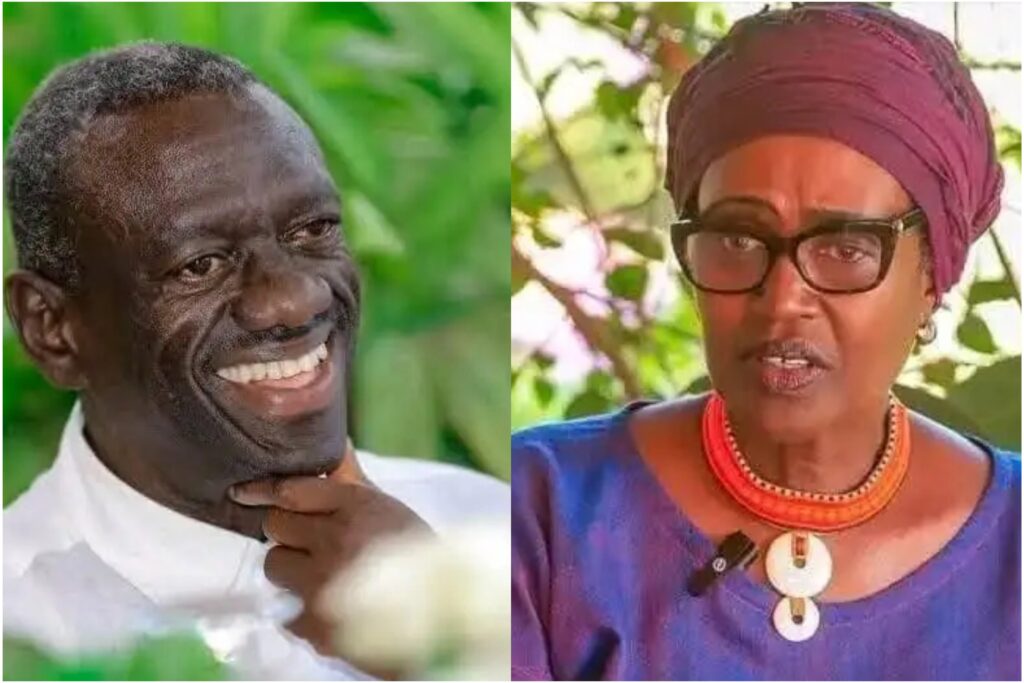
As 2025 draws to a close, Winnie Byanyima’s hint at stepping back from her role as Executive Director of the Joint United Nations Programme on HIV/AIDS (UNAIDS) is being seen by global health advocates as a pivotal moment for the global fight against HIV/AIDS—as well as a potential boost for community activism in Uganda.
Byanyima, a seasoned international health leader and long-time activist, has spent years at the helm of UNAIDS pushing for expanded access to treatment, community-centered prevention strategies, and rights-based responses to the HIV pandemic.
Recently, she underscored the severe strain on the global HIV response caused by international funding cuts and the urgent need for renewed political commitment to reach the 2030 targets.
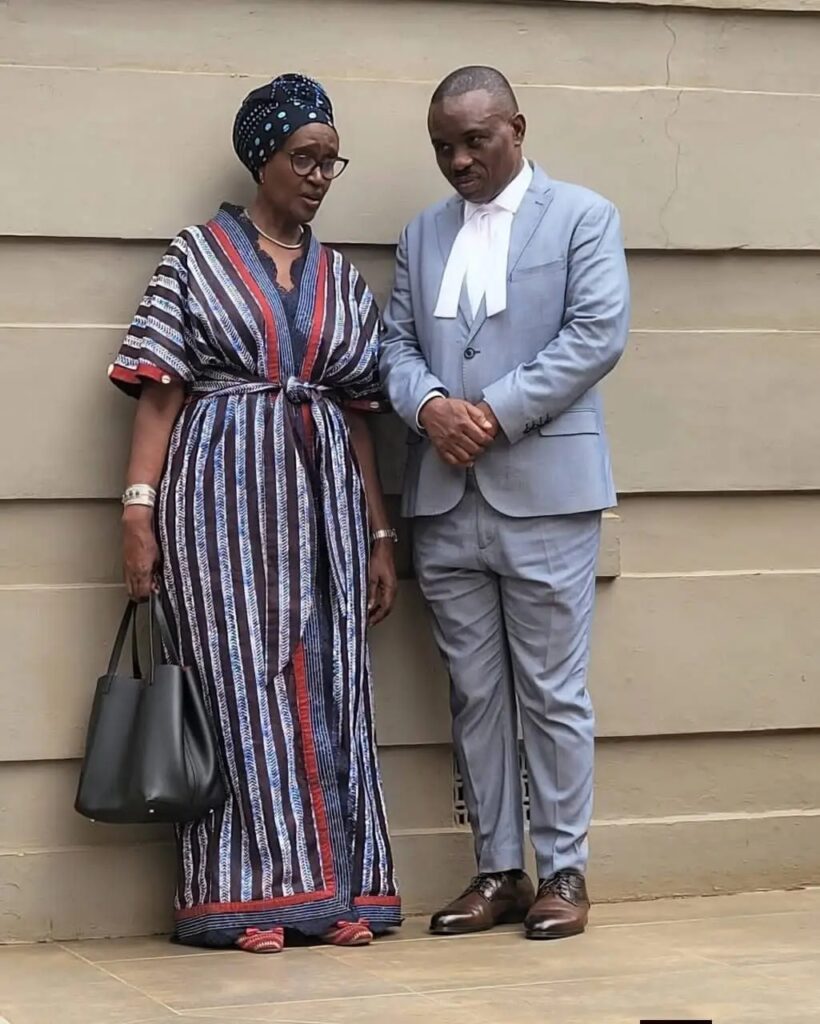
Her potential retirement comes amid increasing alarm from UNAIDS about setbacks in the global HIV response.
A major recent report highlighted that reductions in international aid have sharply disrupted prevention and treatment efforts worldwide, potentially leading to millions of new infections and deaths if sustained.
Experts say Byanyima’s prospective departure raises two crucial questions for the global health community:
Leadership Succession at UNAIDS: UNAIDS faces not just a personnel change but the challenge of maintaining momentum in an era marked by funding volatility, rising inequality, and threats to human rights that undermine access to HIV services.
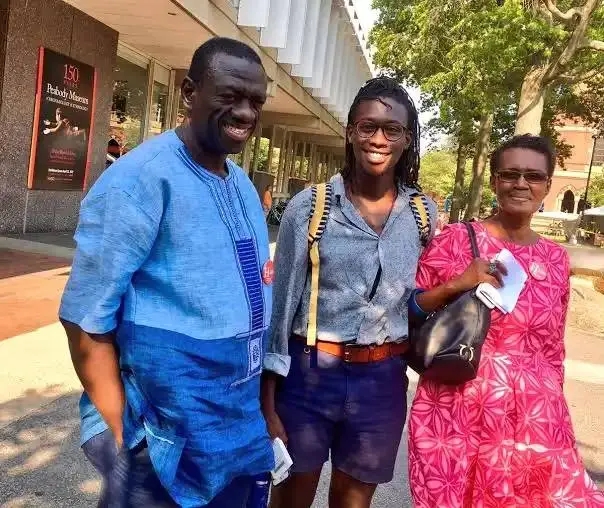
Advocates have pointed to the need for leaders who can continue to mobilize global solidarity while strengthening national and community responses.
Local Activism and Grassroots Solutions: Byanyima’s reported intention to transform her Kasangati, Uganda home into a hub for community activism underscores an emerging trend: global health leaders returning to grassroots work. Many public health voices argue that without strong local structures—particularly those led by people living with HIV, women’s rights activists, and marginalized groups—the global fight risks losing its foundation.
Community-driven advocacy played a key role historically and remains vital to sustaining prevention, treatment, and rights protections.
In recent months, UNAIDS has also emphasized rights-based approaches and calls for stronger legal protections to ensure equitable access to services—principles that local activists in Uganda and across Africa continue to champion ahead of critical political moments.
Observers note that if by focusing on grassroots empowerment and community resilience, Byanyima helps seed a new generation of leaders, it could signal a strategic shift in how HIV advocacy is sustained beyond the corridors of international institutions.
As the world grapples with funding gaps and evolving epidemics, the intersection of global leadership transition and local activism could become a defining theme in the next phase of the fight against HIV/AIDS.