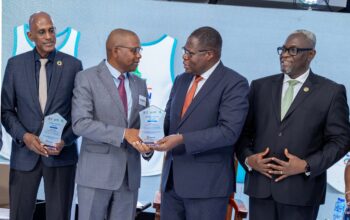
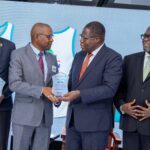
In a landmark collaboration aimed at advancing environmental conservation and community development, the East African Crude Oil Pipeline (EACOP) Ltd. and the Buganda Kingdom today signed a Memorandum of Understanding (MoU) in Masaka District.
The MoU sets the foundation for two transformative initiatives: large-scale tree growing under the Kingdom’s Ekibira Kya Kabaka programme and the construction of a modern community sports center in Buddu County, Masaka District. These initiatives are aligned with EACOP’s Social Economic Investment pillars, with a strong focus on environmental sustainability and youth empowerment.
Under this partnership, the Buganda Kingdom has pledged 120 acres of land for tree planting efforts and an additional 10 acres for the sports facility. EACOP will provide financial backing for the construction of the state-of-the-art community sports center, envisioned as a hub for talent development, physical fitness, and community cohesion.
Speaking at the signing ceremony, EACOP Managing Director Mr. Guillaume Dulout emphasized the significance of the collaboration:
“This MoU reflects our long-term commitment to advancing sustainability and socio-economic development. By restoring ecosystems through tree planting and supporting the sports centre, we are investing in initiatives that will deliver lasting value for communities and the environment.”
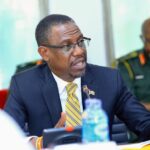
Owek. Charles Peter Mayiga, the Katikkiro (Prime Minister) of Buganda, welcomed the partnership, stating:
“The Kingdom cherishes collaborations that address urgent challenges such as climate change, environmental conservation, and youth empowerment. Through Ekibira Ky’Abataka and the new community sports centre, we are working with EACOP to create a legacy of resilience, opportunity, and growth for our people.”
This partnership is particularly significant as the EACOP pipeline, spanning 296 km in Uganda, traverses 10 districts, with seven located within the Buganda Kingdom. These include Gomba (Gomba County), Kyankwanzi (Singo), Mubende (Buwekula), Sembabule (Mawogola), and Lwengo, Kyotera, and Rakai (Buddu County), covering 130 villages across four of Buganda’s 18 counties.
The MoU signing marks a major step in uniting traditional leadership and modern infrastructure development to create sustainable, community-driven solutions. As Uganda progresses with its oil and gas projects, such collaborations underscore the importance of inclusive development that prioritizes both people and the planet.