What started as a place of worship and spiritual intervention has evolved into a centre of hope, skills development and socio-economic transformation for the community.
Kasangati Divine Life Transforming Center in Kasangati, Wakiso District, has in the last three years expanded its mission beyond spiritual growth to promote financial empowerment, entrepreneurship and community development.
In response to the national call for wealth creation, the church established a Savings and Credit Cooperative Society (SACCO), which started with fewer than 35 members.
The SACCO has since grown to 425 members, with assets valued at close to Shs 500, according to church leaders.
The cooperative provides affordable credit to members and people in surrounding communities, supporting small businesses, household needs and other income-generating activities in Wakiso and neighbouring areas.
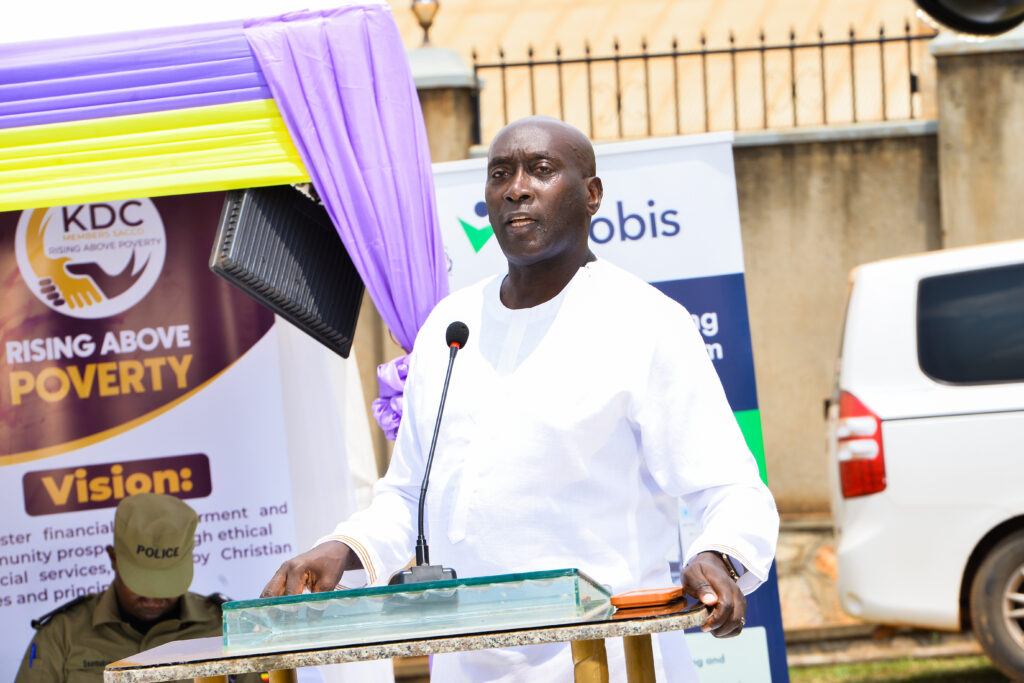
Speaking about the journey, SACCO Patron Pastor Godfrey Mutumba Mbaazi said the initiative was founded on the belief that transformation must go beyond spiritual intervention to address the practical economic challenges facing communities.
“Two years ago, we planted a seed; a vision to empower our congregation and community through savings, credit and financial stewardship. That seed has now grown into a vibrant SACCO that is not only serving our church family but has extended its reach to Ugandans in the diaspora and the wider community,” Mbaazi said.
He said the SACCO had enabled families to save with confidence, supported the growth of businesses and helped members turn their aspirations into tangible opportunities.
“Truly, this Kasangati Devine Center Members SACCO has become a testimony of what faith, unity and discipline can achieve,” he said.
Mbaazi added that the church believes transformation must be both spiritual and practical, with access to financial services helping communities overcome poverty and become more self-reliant.
Youth Skilling and empowerment
Building on the SACCO’s achievements, the church has now expanded its economic empowerment agenda by establishing a Youth Skilling Centre, which was officially launched at Kasangati Shopping Mall.
The centre is intended to equip young people with vocational and practical skills that can improve employability, promote entrepreneurship and enable them to establish sustainable sources of income.
Albert Yiga, Chairperson of the SACCO Board, said the initiative is intended to address some of the economic challenges facing young people by giving them practical skills that can translate into employment and enterprise opportunities.

“We want to give our young people skills that they can use to create employment for themselves and others. Skilling is not simply about acquiring a certificate; it is about giving young people the ability to identify opportunities, solve problems and become economically independent,” Yiga said.
He said the growth of the SACCO demonstrates the potential of collective saving and investment when communities embrace financial discipline.
Yiga added that the SACCO would continue expanding access to affordable financing while encouraging members to use credit productively to grow businesses and improve household incomes.
Government backs initiative
Tonny Kibalama, Cooperatives officer at the Ministry of Trade and Cooperatives, commended the church for extending its work into socio-economic transformation, saying faith-based institutions can play an important role in supporting national development.
“Initiatives such as this demonstrate that economic transformation is not the responsibility of government alone. When communities organise themselves around savings, enterprise development and skills, they create a strong foundation for household income growth and poverty reduction,” Kibalaama said.
He said such initiatives will contribute to Uganda’s ambitious tenfold growth strategy by creating productive citizens, supporting enterprise development and strengthening local economies.
“If we are to achieve the transformation we aspire to, we must equip our people with the skills, financial resources and opportunities to participate meaningfully in the economy. This is the kind of community-led initiative that can contribute to that journey,” he added.
Nakibingi Mubarak, the Kasangati local leader, said the initiatives were timely, particularly given the need to create opportunities for young people within the community.
“As a local government, we welcome initiatives that equip our young people with practical skills and create opportunities for them to earn a living. A skilled young population is an asset to Kasangati because it can drive businesses, create employment and reduce dependence,” Nakibingi said.
He encouraged other community institutions to explore initiatives that complement government programmes in promoting livelihoods and local economic development.
What Members say
For Sylvia Atuhaire one of the founding SACCO members, the growth of the cooperative demonstrates the benefits of collective saving.
She said joining the SACCO gave members an opportunity to develop a culture of saving while accessing financing to meet their economic needs.
“We started as a small group, but seeing the SACCO grow to this level gives us confidence. It has shown us that when people come together, save consistently and support one another, they can create something that benefits the entire community,” Atuhairesaid.
She encouraged more community members, particularly young people, to embrace saving and skills development as tools for building sustainable livelihoods.
The launch brought together church leaders, government officials, SACCO members, young people, community leaders and other stakeholders interested in skills development, financial inclusion and economic empowerment.
The church’s experience highlights the growing role that faith-based institutions can play in complementing government and private-sector efforts to promote financial inclusion, entrepreneurship, skills development and household economic resilience.