Limited access to affordable financing is undermining Uganda’s efforts to eliminate mercury use in artisanal and small-scale gold mining, with stakeholders warning that thousands of miners remain exposed to serious health and environmental risks because safer technologies are beyond their financial reach.
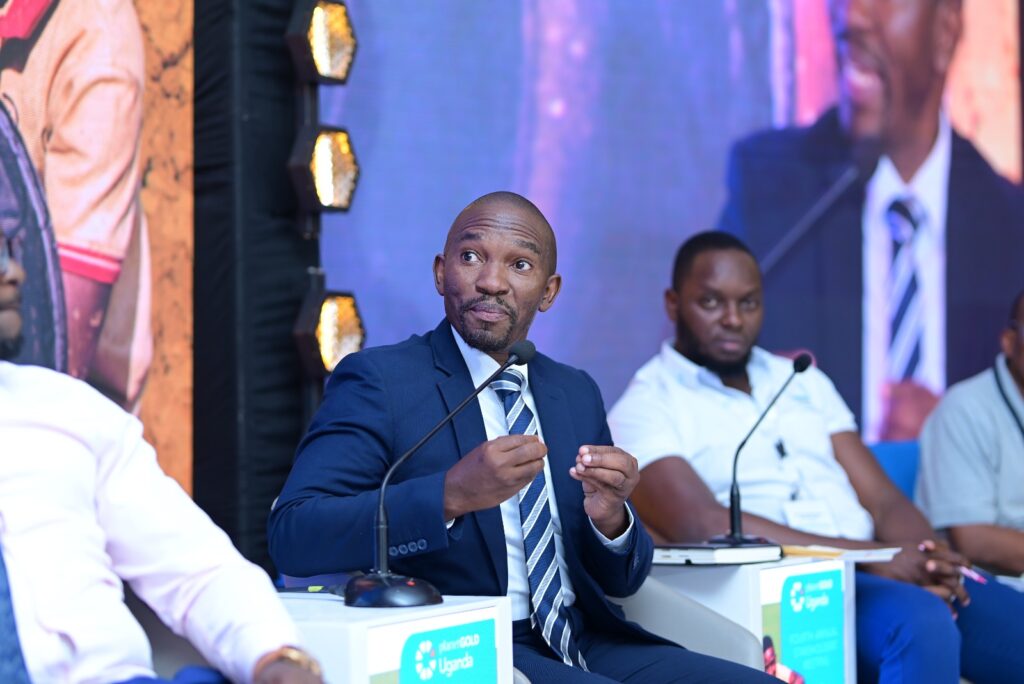
The concerns emerged during the planetGOLD Uganda Fourth Annual Stakeholders Meeting in Kampala, which brought together government officials, development partners, financial institutions and mining sector representatives to discuss strategies for accelerating the adoption of mercury-free mining practices.
Uganda’s artisanal and small-scale gold mining sector supports an estimated 70,000 miners, many of whom depend on mining as their primary source of livelihood. However, the sector continues to grapple with informality, inadequate equipment, limited access to credit and the persistent use of mercury in gold processing.
Stakeholders noted that although safer, mercury-free technologies are available, the high cost of acquiring processing equipment and upgrading mining operations remains a major obstacle to their adoption.
They warned that unless miners can access affordable financing, the transition to safer mining practices risks remaining an ambition rather than becoming a reality.
Speaking at the meeting, Bob Paul Lusembo, Head of Micro Business at Equity Bank, said financial institutions must rethink their approach to financing the mining sector by addressing the needs of miners across the entire value chain.
“If we are to ensure a safe and sustainable mining industry that contributes to the development of this country, we need to finance the entire value chain,” Lusembo said.
He emphasised that financing should go beyond conventional lending to include financial literacy, equipment acquisition and support for the formalisation of mining businesses.
“Miners need more than just access to loans. They need the financial knowledge, appropriate equipment and business structures that can enable them to operate sustainably, improve productivity and access opportunities within the formal economy,” he said.
Lusembo’s remarks highlighted the importance of developing financial products that respond to the realities of artisanal and small-scale miners, many of whom lack the collateral and formal business records traditionally required by commercial lenders.
The urgency of the transition was further illustrated through testimonies shared during the meeting, including that of a miner who reported experiencing long-term health complications associated with mercury exposure.
Participants said such experiences demonstrate the human cost of unsafe mining practices and the need to make occupational health and safety a central pillar of efforts to transform the sector.
Mercury is a highly toxic substance that can damage the nervous system and contaminate water sources, soil and ecosystems. Its continued use in gold extraction poses significant risks not only to miners but also to surrounding communities.
Representing the National Environment Management Authority (NEMA), Dr John Ekure urged miners and other stakeholders to put human health and environmental protection at the centre of mining operations.
He cautioned against prioritising economic gains at the expense of workers’ safety, noting that the economic benefits of mining should not come at the cost of human lives and environmental destruction.
“The value of gold should never be measured at the expense of human health. We must ensure that mining activities protect the people involved, the communities around mining sites and the environment,” Ekure said.
He called for greater awareness and compliance with environmental standards, urging stakeholders to accelerate the adoption of safer alternatives to mercury.
Beyond access to finance, stakeholders identified stronger collaboration among government agencies, financial institutions, development partners and mining communities as essential to accelerating the transition to mercury-free gold production.
Magara Siraje, Extractive Industries Coordinator at Oxfam Uganda, said responsible exploitation of the country’s mineral resources could contribute significantly to export growth and economic development.
However, he stressed that unlocking this potential would require deliberate efforts to improve miners’ access to financial services, technical assistance and appropriate technologies.
“Uganda has an opportunity to harness its mineral resources to support economic growth and increase export earnings. But this can only happen if mining is undertaken responsibly and miners are supported with the financing and technical expertise they need to operate safely,” Siraje said.
He added that formalising mining groups would be critical in improving their access to financial services and creating opportunities for more responsible investment in the sector.
Stakeholders also called on financial institutions to consider innovative financing models that recognise the unique circumstances of artisanal and small-scale miners, including group lending, equipment leasing and financing for shared processing facilities.
Such interventions, they said, could help miners acquire modern gold recovery technologies, reduce their dependence on mercury and improve the efficiency of their operations.
The planetGOLD initiative works to reduce mercury use in artisanal and small-scale gold mining by promoting cleaner technologies, improving access to finance and strengthening the capacity of mining communities.
Stakeholders concluded that Uganda’s ambition to achieve a mercury-free gold mining sector will depend not only on the availability of safer technologies but also on whether miners can afford and access them.
They called for sustained investment, coordinated policy interventions and stronger partnerships to ensure that the transition to responsible mining protects livelihoods while safeguarding human health and the environment.